The Bandurlin by Maestro Michael Dadap

The bandurria, rebuilt for the concert hall

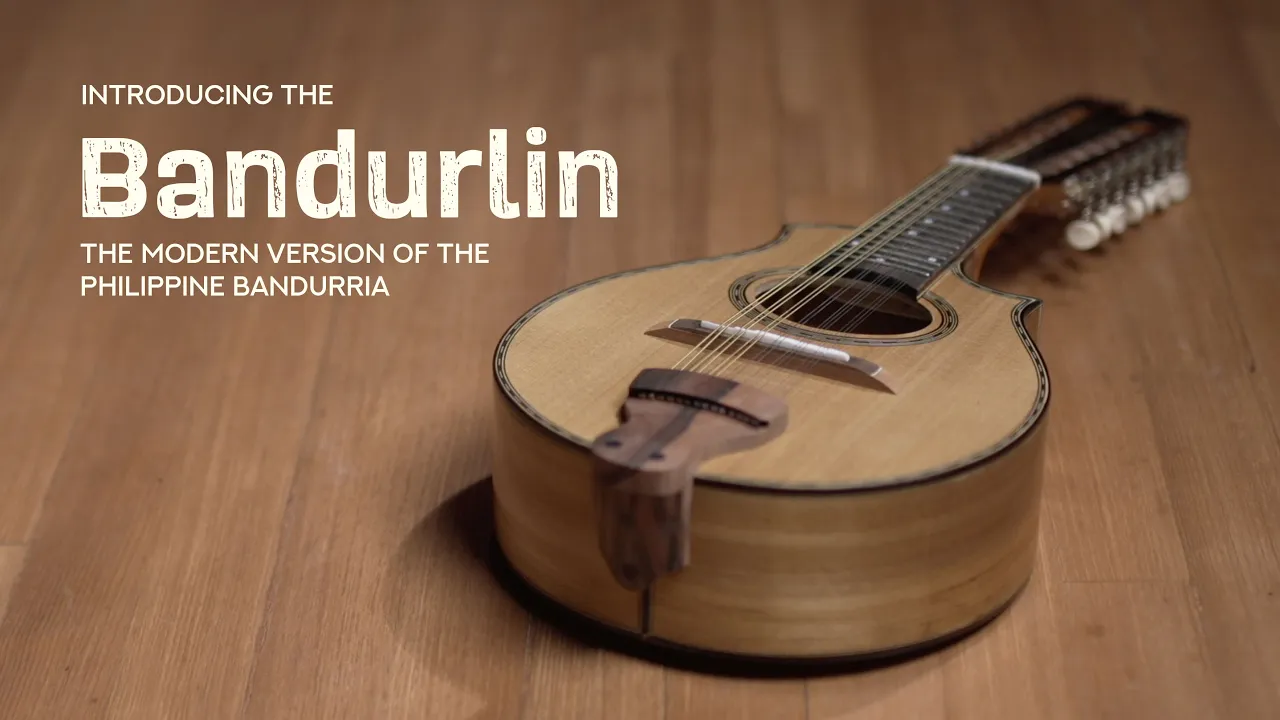
Maestro Michael Dadap spent about 25 years developing the Bandurlin. It keeps the bright voice of the Filipino bandurria, adds range and a deeper tone, and is designed to fill a concert hall without a microphone.

Sign up to hear about instruments, lessons, and performances as they're announced.

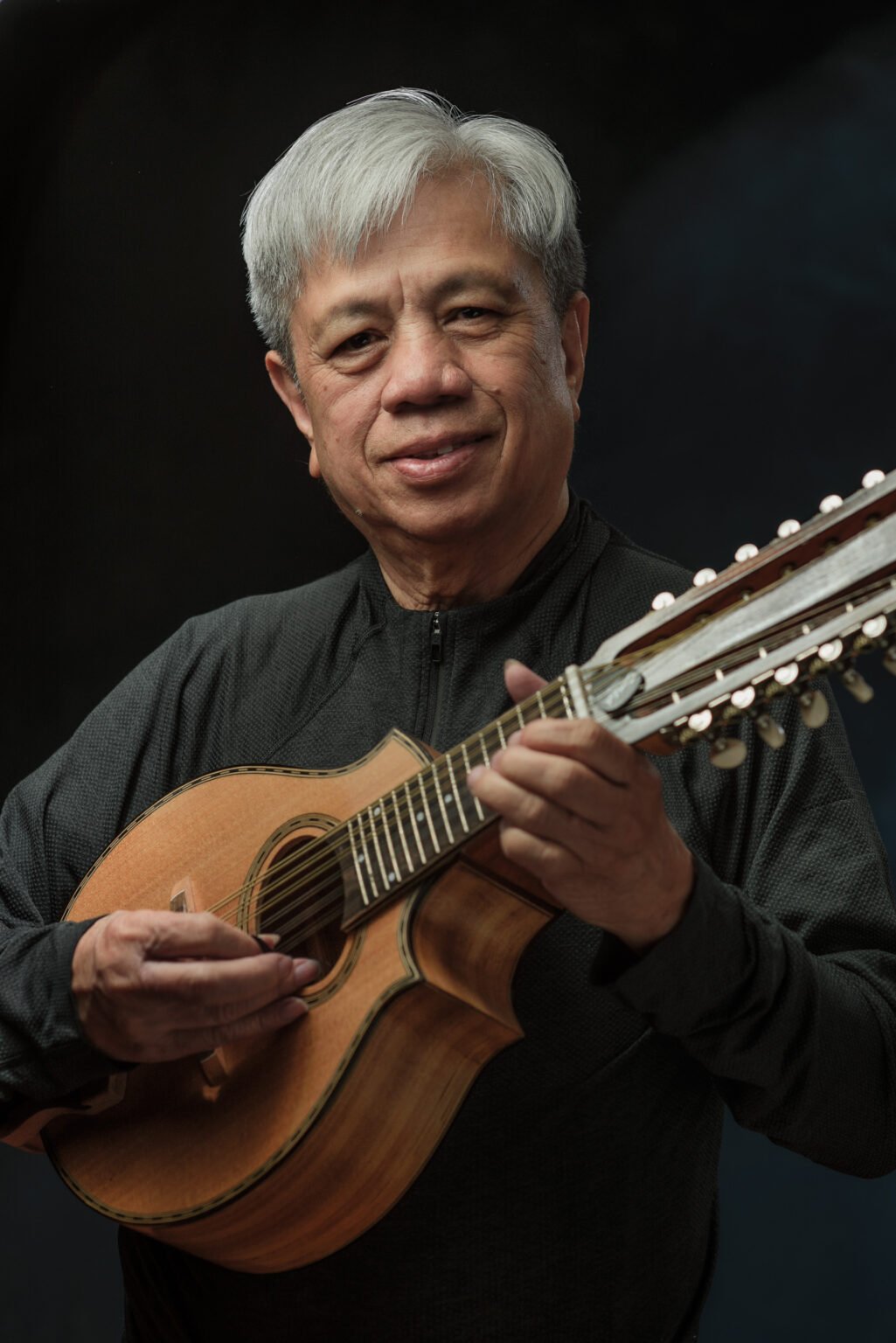
Maestro Michael Dadap smiling as he plays the Bandurlin

Where it started

Why Dadap built a new instrument

In a rondalla, the bandurria plays the melody. It's a small, pear-shaped instrument, usually strung with 14 strings in six courses, and its bright tone cuts through the rest of the ensemble.

Dadap has spent decades championing the bandurria as a concert instrument, and he knows its limits well. Many of the instruments he played were out of tune or poorly calibrated, and most were built for ensemble work rather than solo concerts. He wanted a bandurria that could hold its own in music by composers like Bach and Mozart.

The Bandurlin is the result of roughly 25 years of work toward that goal.

Play Pause
Backward 10s Play Pause Forward 10s Unmute Mute
/
Settings Playback Accessibility
Announcements
Keyboard Animations
Chapters Enter PiP Exit PiP Enter Fullscreen Exit Fullscreen
Introducing the Bandurlin - The Modern Philippine Bandurria | Michael Dadap

Watch Maestro Dadap explain what sets the Bandurlin apart from the traditional bandurria (15:40).

Jump to a moment:
0:00 · Introducing the Bandurlin
2:06 · Tuning and range innovations
4:22 · Design and string clarity
7:28 · Philosophy and cultural impact
10:43 · Performance demonstration

What's different

Five things Dadap set out to improve

Each one addresses a problem players run into on a traditional bandurria.

Wider range

The target range runs from G3 to D7. That leaves room for lower melodies, counterpoint, and music originally written for other instruments.

Better intonation

Accurate pitch across the whole fingerboard was a central goal, so sustained notes and chords stay in tune with the players around you.

More projection

Dadap's goal is an instrument you can hear in a hall the size of Carnegie Hall with no amplification.

A deeper tone

The Bandurlin keeps the bandurria's bright upper register and adds a fuller, deeper sound below it.

Lower string tension

Less tension makes the strings easier on your fingers and puts less load on the neck, bridge, and soundboard.

Side by side

How it compares to a traditional bandurria

Traditional bandurria

  • Plays the melody in a rondalla
  • Usually 14 strings in six courses
  • Bright tone built for ensemble playing
  • Range depends on how each instrument is built
  • Intonation varies with construction and setup

The Bandurlin

  • Designed for solo, concert, and orchestral playing
  • Target range of G3 to D7
  • Bright top end with a deeper overall tone
  • Built to project in a full concert hall
  • Better intonation and lower string tension

The Bandurlin column describes what Maestro Dadap designed the instrument to do.

Hear it

Music a regular bandurria can't play

Neither of these pieces could be performed on a traditional bandurria. Many of the chords aren't playable on one, and the highest notes come through with a clarity it can't match. Listen for the range, the tone, and how easily the Bandurlin plays.

Play Pause
Backward 10s Play Pause Forward 10s Unmute Mute
/
Settings Playback Accessibility
Announcements
Keyboard Animations
Enter PiP Exit PiP Enter Fullscreen Exit Fullscreen
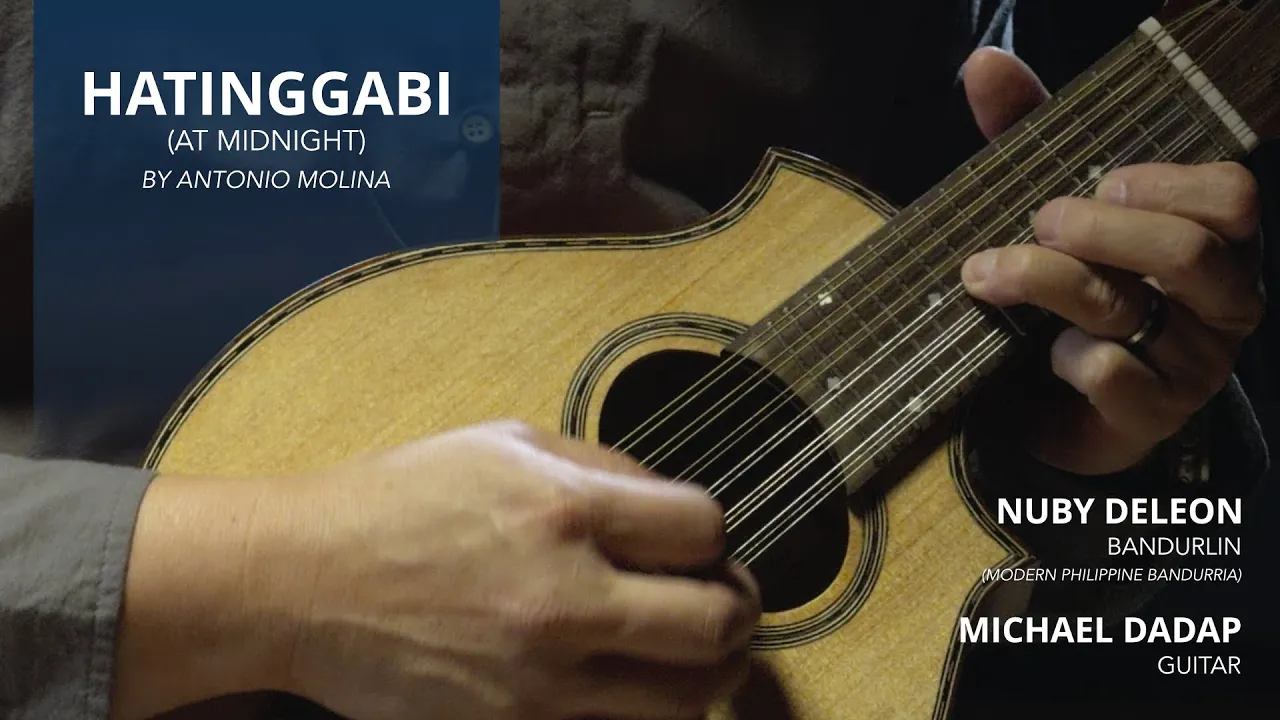
Hatinggabi (At Midnight) - Bandurlin (Modern Philippine Bandurria) & Guitar | Antonio Molina

Hatinggabi (At Midnight)

  • Antonio Molina, Composer
  • Nuby DeLeon, Bandurlin
  • Michael Dadap, Guitar
Play Pause
Backward 10s Play Pause Forward 10s Unmute Mute
/
Settings Playback Accessibility
Announcements
Keyboard Animations
Enter PiP Exit PiP Enter Fullscreen Exit Fullscreen
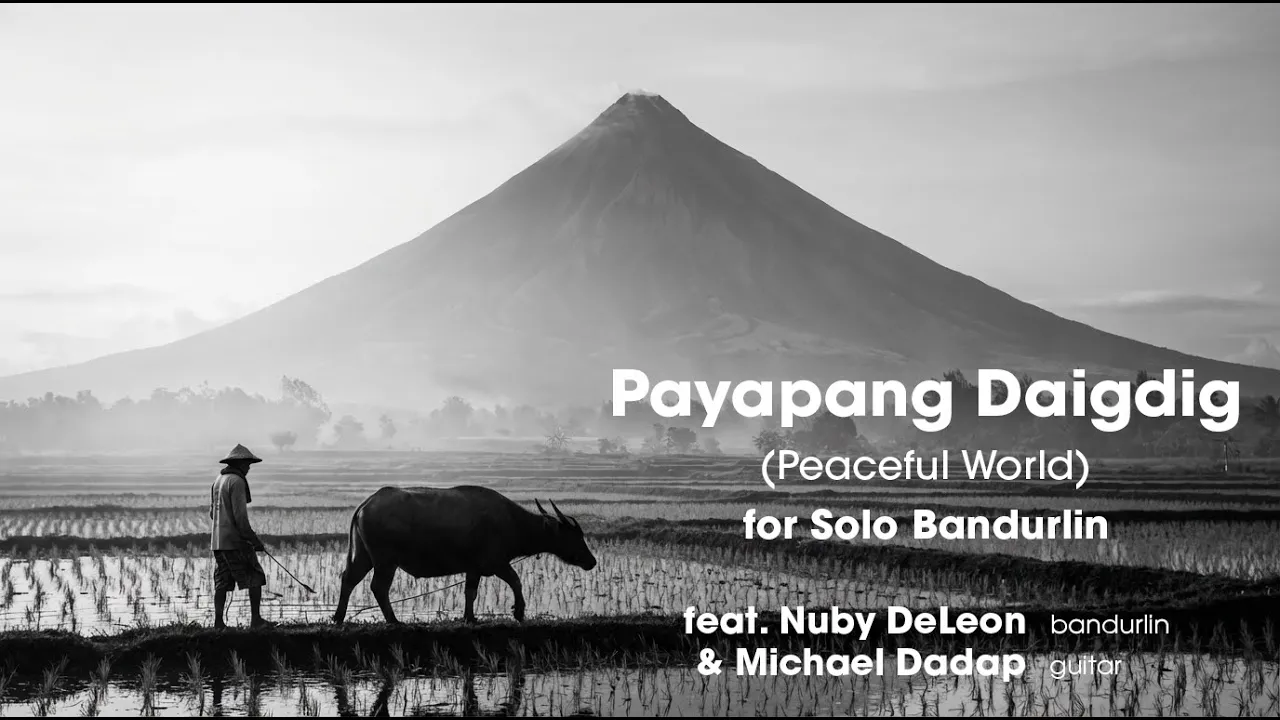
Payapang Daigdig: A Musical Journey Through the Philippines | Bandurlin & Guitar

Payapang Daigdig (Peaceful World)

  • Felipe Padilla de Leon, Composer
  • Nuby DeLeon, Bandurlin
  • Michael Dadap, Guitar
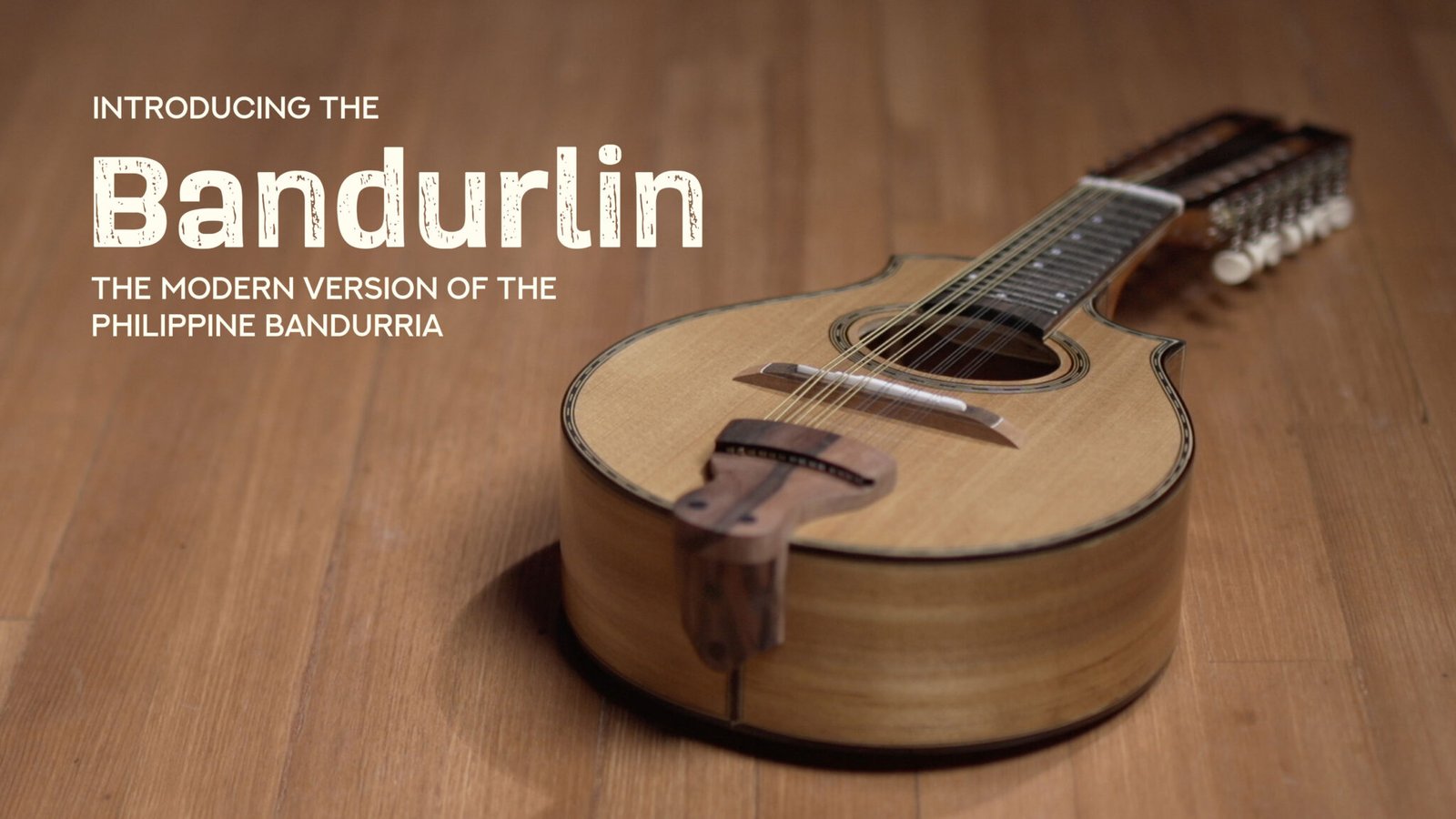
The Bandurlin, the modern version of the Philippine bandurria, resting on a wooden floor

The bigger plan

An orchestra without bowed strings

Dadap's long-term goal is the Orchestra Sin Arco, a serious concert ensemble made up of plucked instruments instead of violins, violas, and cellos. He has talked about it playing Bach and Mozart.

He's been clear that this orchestra grows out of the rondalla and isn't meant to replace it. The traditional bandurria keeps its own sound and its place in Filipino music.

He has also pushed for standardized instruction and a repertoire that goes beyond the familiar folk songs. For that to happen, the instrument needs players, teachers, and composers.

Orchestra Sin Arco

  • Solo pieces written for the Bandurlin
  • Arrangements of music written for other instruments
  • Contrapuntal writing that uses the full range
  • Concert programs alongside the rondalla tradition

Who it's for

Who should join the interest list

Bandurria and rondalla players

You already know the tradition. The Bandurlin gives you more range and a voice suited to solo playing.

New students

If you're curious about Filipino music or plucked strings, sign up and we'll keep you posted as lessons are planned.

Teachers and ensembles

Schools, cultural groups, and rondallas can let us know they want to bring the Bandurlin into their programs.

Composers and arrangers

A wider range means new writing possibilities. Tell us if you'd like to compose or arrange for it.

Interest list

Be one of the first to own and play a Bandurlin

We're collecting names from players, students, teachers, and ensembles who want to get involved. Sign up and we'll contact you as instruments, instruction, and performances are announced.

We'll only use your information to send Bandurlin updates.

Bandurlin Interest List

FAQ

Common questions

It's an instrument Maestro Michael Dadap developed over about 25 years, based on the Filipino bandurria. He designed it for a wider range, better intonation, a deeper tone, lower string tension, and enough volume to play a concert hall without amplification.

No. Dadap sees it as a companion to the traditional bandurria, which keeps its own sound and its place in Filipino music.

Join the interest list. People on the list will be the first to hear when instruments are available and how to get one.

Instruction is part of the plan, and the interest list helps us see how many people want lessons. Tell us your experience level when you sign up, and we'll contact you as lessons and learning materials are set up.

Dadap's target range is G3 to D7. That's wide enough for lower melodies, counterpoint, and arrangements of music written for other instruments.

Maestro Michael Dadap has spent decades promoting the bandurria as a serious solo and concert instrument. He is also the Music Director of the Children's Orchestra Society.